Prev Arrow Cryptocurrencies

Ethereum ($ETH) Crypto Forecast: Down 5.7% Today

Morpher AI identified a bearish signal. The crypto price may continue to fall based on the momentum of the negative news.

What is Ethereum?

Ethereum (ETH) is a popular cryptocurrency token known for its smart contract functionality and decentralized applications. Today, ETH experienced a strong bearish movement in the market.

Why is Ethereum going down?

ETH crypto is down 5.7% on Jun 26, 2026 2:16

  • The bearish movement in Ethereum's market today can be attributed to several factors:
  • Traders predicting more pain for Bitcoin and Ethereum after significant monthly drops, indicating a lack of immediate relief in the crypto market.
  • Ethereum's staking tax controversy and funding crisis triggering debates and uncertainties among investors and stakeholders.
  • The Ethereum Foundation's reorganization and workforce reduction by 20%, signaling potential internal challenges and restructuring efforts.
  • The overall sentiment in the cryptocurrency market, with major players selling off as big tech faces challenges, contributing to a broader negative trend impacting Ethereum's performance.

ETH Price Chart

ETH Technical Analysis

ETH News

Traders Predict More Pain for Bitcoin and Ethereum After Monthly Drops Above 20%

Bitcoin touched its lowest price in 21 months early Thursday-and prediction market users don't see the crypto carnage ceasing imminently.

https://decrypt.co/372091/traders-predict-more-pain-bitcoin-ethereum

0 News Article Image Traders Predict More Pain for Bitcoin and Ethereum After Monthly Drops Above 20%

Ethereum's Staking Tax May Already Be Obsolete Due To EthLabs

Ethereum's latest "funding crisis" has triggered a fierce debate: a contentious plan to tax staking rewards versus a new wave of labs and large ETH holders funding development offchain.

https://cointelegraph.com/features/ethereums-funding-scare-why-a-hated-staking-tax-may-already-be-obsolete

1 News Article Image Ethereum's Staking Tax May Already Be Obsolete Due To EthLabs

Ethereum Foundation Cuts 20% of Workforce in 'Leaner' Reorganization

The non-profit is cutting 54 jobs as it reorganizes into focused "clusters," following a succession of leadership departures.

https://decrypt.co/371864/ethereum-foundation-cuts-20-of-workforce-in-leaner-reorganization

2 News Article Image Ethereum Foundation Cuts 20% of Workforce in 'Leaner' Reorganization

Spot Orderbook Metrics Live on Glassnode

The release gives Glassnode users a cleaner view of liquidity, execution conditions, and resting market intent before trades clear.Executed trades show where transactions happened. The order book gives the live view around those trades: available liquidity, quoted prices, and the cost of crossing the market at a given point in time.For traders, execution desks, quant researchers, and risk managers, this matters because volume alone can hide weak liquidity. A venue can print high volume while the spread widens, depth thins, or larger orders become expensive to execute. Orderbook metrics make those conditions measurable. Explore the new metrics in Glassnode Studio. Available to Professional plan users. Visit metrics Why Orderbook Metrics Matter Executed volume shows where transactions happened. Orderbook data shows where liquidity is sitting right now, waiting to be hit.That distinction matters because a market can look busy on trade volume while staying fragile underneath. A venue might print high volume, but if the spread widens or depth disappears, getting filled becomes expensive. A price move might look strong, but with little resting liquidity behind it, the move is unstable.These metrics help answer practical trading questions: Where is liquidity best right now? Which venue has the tightest spread and the deepest book? How expensive is it to execute? What's the estimated price impact for a $10k, $100k, $1m, or larger order? Is liquidity improving or deteriorating? Are spreads widening, depth thinning, or liquidity drifting away from mid? Is there more resting buy or sell liquidity around the market? Is the bid side or the ask side deeper within a chosen price band? Is the market turning fragile? Are small trades still cheap while larger ones would walk straight into worse prices? Reading Intent Before the Trade Prints Orderbook data tracks intent. Trades are confirmed actions: aggressive buyers or sellers crossing the spread. The book shows resting limit orders, the liquidity participants are currently willing to provide.This creates a pre-trade view of the market: bid-side depth measures resting buy liquidity below the market; ask-side depth measures resting sell liquidity above the market; spread measures the immediate cost of crossing the market; price impact estimates the execution cost for a given trade size; depth slope shows whether liquidity is concentrated near the mid-price or placed further away. This is useful in live trading because liquidity often deteriorates before volatility appears in executed trades. Spreads widen, orders get pulled, and depth becomes uneven. These changes can be measured directly from the book. New Metrics Overview Bid/Ask Spread: TWA, Max, Min, Close The bid/ask spread is the gap between the best ask and best bid, expressed in basis points of the mid-price. It is the cleanest measure of top-of-book trading friction.spread_bps = (best_ask − best_bid) / mid_price × 10,000 Spread (TWA): time-weighted average spread over the bucket — the "normal" trading friction during the interval. Lower values indicate tighter top-of-book liquidity; higher values suggest thinner markets or liquidity stress. Spread (Max): the widest spread observed at any single moment in the bucket. Did this venue briefly become expensive or unreliable to trade on? Spikes flag momentary liquidity gaps from news shocks, flash moves, or pulled orders. Spread (Min): the tightest spread in the bucket — the best-case cost of crossing during the interval. Spread (Close): the spread at the final update of the bucket — a snapshot of conditions as the interval closes, useful for aligning with bar-close-based models. View live metric Depth Total resting liquidity on one side of the book, bid (buy limit orders below the market) or ask (sell limit orders above it), within a chosen price band around mid, measured in quote currency and time-weighted across the bucket.The band is configurable across 25, 50, 100, 200, 500, 1000, 1500, and 2000 bps, so you can measure liquidity right at the top of book or progressively deeper. Because the side is selectable, you can track bid and ask liquidity independently, which is handy for catching one-sided book building that a netted measure would hide.Depth is the core liquidity read. More depth means the market absorbs larger trades with less price movement. Thinning depth usually comes before wider spreads and higher price impact. View live metric Depth Imbalance Depth imbalance compares bid-side depth with ask-side depth inside the selected band.imbalance = (bid_depth - ask_depth) / (bid_depth + ask_depth)The range is [-1, +1].Positive values mean there is more resting buy liquidity below the market. Negative values mean there is more resting sell liquidity above the market.This is one of the most useful orderbook features for short-horizon models. It captures how liquidity is distributed around the current price and can be used to study short-term pressure, mean reversion, or momentum depending on the horizon. View live metric Depth Delta Depth delta is the simple difference between bid depth and ask depth.depth_delta = bid_depth - ask_depthDepth imbalance normalizes the difference. Depth delta keeps the absolute size.This matters when the magnitude of liquidity matters more than the ratio. For example, a small imbalance in a very deep book can be more relevant than a large imbalance in a thin book. Depth Slope Depth slope measures how liquidity builds as price moves away from the mid-price.depth_slope = depth_wide_band / depth_25bpsThe wider band can be 100, 500, 1000, or 2000 bps.A higher slope means liquidity is thin near the mid-price and thicker further away. This can signal fragile top-of-book liquidity: small orders may still execute cheaply, while larger orders quickly move into worse price levels.A lower slope means more liquidity is available close to the mid-price, which usually supports better execution for moderate order sizes. View live metric Price Impact (Estimated Slippage) Answers the most practical pre-trade question there is: if I send a market order of size X right now, what will it cost me?For a given notional (e.g. $10k, $100k, $1M, $10M in quote currency), we walk the live order book from mid-price, compute the volume-weighted average fill price, and express the gap to mid in basis points:impact_bps = (vwap_fill_price − mid_price) / mid_price × 10,000Example reading: "Buying $1Mio of BTC on Binance right now costs ~3 bps." Use it to estimate cost before trading, compare venues for a given order size, or benchmark realized fills against expectation. View live metric Putting it Together: a Practical Example Suppose BTC sells off sharply during a short time window. A trades-only view shows heavy sell volume after the move has started. The order book gives more detail about the liquidity conditions around the move. Spread (Max) spikes on Venue A but stays contained on Venue B → Venue B is the safer exit. Depth within 100 bps halves on Venue A → its book is being pulled, not just consumed. Depth Imbalance flips deeply negative → resting sell pressure is stacking above the market. Price Impact ($1M) triples → the real cost of de-risking has changed, regardless of what the last trade printed at. Each of these signals was visible in the book before it showed up in executed prices. How Useful is Orderbook Data for Your Team? Pre-trade venue selection – "Where do I execute?" Which exchange offers the best liquidity, on average and at the moment of execution? Compare spreads and estimated execution cost across exchanges for the same pair, at the same time. Metrics: Spread (TWA), Spread (Max), Price Impact Short-horizon directional alpha – "Which way does price go next?" Quant / ML users building features for models that predict mid-price returns over the next N minutes. Depth imbalance and depth delta capture the resting-order pressure on each side of the book — a classic microstructure input whose predictive sign can flip between momentum and contrarian depending on the measurement horizon. Metrics: Depth Imbalance, Depth Delta, Depth Risk management – "Can I exit if I need to?" Which venue holds up under stress — and which one evaporates? Track how depth, spread, and price impact deteriorate during volatility events to know in advance where an emergency exit is cheapest. Metrics: Price Impact, Depth, Spread (Max) Market structure or regime detection – "What kind of market is this?" For users building macro overlays or regime-switching models on top of microstructure. Persistent widening of spreads, thinning depth, or steepening depth slopes signal a transition from a calm, liquid regime to a fragile one — often before realized volatility confirms it. Metrics: Spread (TWA), Depth, Depth Slope Available Glassnode Orderbook Metrics Spot Orderbook Metrics are live now for Binance and Coinbase, covering the most liquid BTC and ETH pairs at 10-minute, 1-hour, and 24-hour resolutions in CSV and JSON and via the API. Configurable parameters: depth band (25 / 50 / 100 / 200 / 500 / 1000 / 1500 / 2000 bps) side (bid / ask) for depth-based metrics, and order notional for price impact. Leverage the full power of Glassnode's platform with the fully customizable Professional plan. Compare pricing Follow us on X for timely market updates and analysis Join our Telegram channel For on-chain metrics, dashboards, and alerts, visit Glassnode Studio

https://research.glassnode.com/spot-orderbook-metrics/

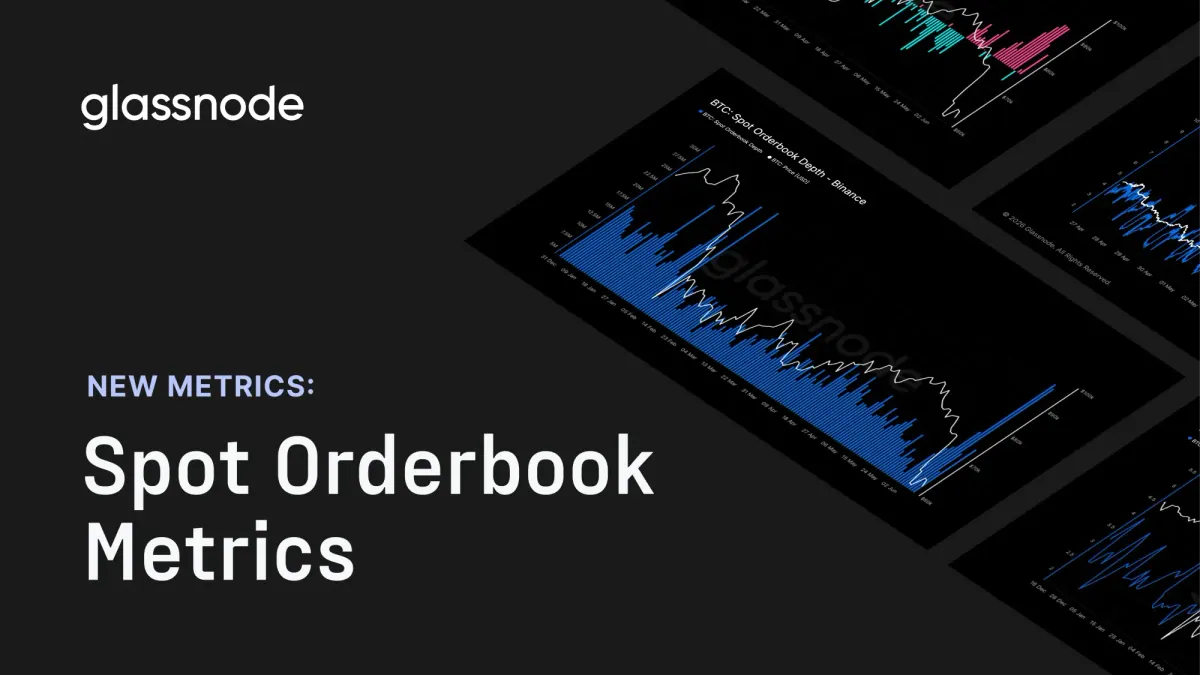
3 News Article Image Spot Orderbook Metrics Live on Glassnode

Morning Minute: Fomo's $75M Raise Shows Big VCs Are Still Betting on Consumer Crypto

Crypto majors are selling off as big Tech gets routed. Saylor is hoarding cash. and ETH heavyweights team up to fund R&D with ETHLabs.

https://decrypt.co/371851/morning-minute-fomos-75m-raise-shows-big-vcs-are-still-betting-on-consumer-crypto

4 News Article Image Morning Minute: Fomo's $75M Raise Shows Big VCs Are Still Betting on Consumer Crypto

Ethereum Price History

23.05.2026 - ETH Crypto was down 5.6%

  • The decision by the Ethereum Foundation to reorganize and cut 20% of its workforce may have created uncertainty and negative sentiment around the future development of the Ethereum network.
  • The introduction of new orderbook metrics by Glassnode may have provided traders with more insights into liquidity conditions, potentially revealing weaknesses in the market that contributed to the bearish movement of ETH.
  • Major players in the crypto space teaming up to fund a new research and development lab for Ethereum could have diverted attention and resources away from ETH itself, impacting its market performance.
  • The broader market trend of crypto majors selling off as big tech companies face challenges may have also influenced the bearish movement of ETH, reflecting a broader risk-off sentiment among investors.

15.05.2026 - ETH Crypto was up 10.1%

  • A significant increase in Ethereum holdings was reported by BitMine Immersion Technologies, with the company now owning over 5.6 million ETH valued at more than $10 billion.
  • Chairman Tom Lee mentioned that the company is aggressively buying ETH due to the perceived disconnect between the current price pullback and the strong fundamentals of Ethereum.
  • BitMine's substantial ETH purchases likely contributed to the bullish movement in the ETH market today.
  • Concerns about a potential steeper sell-off in Ethereum due to US investors shifting towards the stock market might have created some uncertainty, but BitMine's buying activity overshadowed these worries, leading to the bullish trend.

15.05.2026 - ETH Crypto was up 5.2%

  • Despite concerns about a potential sell-off due to US investors shifting focus to the stock market, Ethereum experienced a strong bullish movement today.
  • The news of Japan cutting taxes on Bitcoin and Ethereum could have positively impacted investor sentiment towards Ethereum, leading to increased demand and a price surge.
  • Additionally, the potential quantum-proof accounts on Ethereum proposed by researchers could have sparked optimism among investors about the network's security and future scalability.
  • The combination of positive regulatory news, technological advancements, and corporate accumulation may have outweighed the concerns about potential sell-offs, driving Ethereum's bullish movement today.

15.05.2026 - ETH Crypto was up 9.2%

  • A significant accumulation of Ethereum, valued at over $10 billion, is believed to have contributed to bullish movement, pointing to strong institutional interest.
  • Chairman Tom Lee's remarks on continued buying pace, driven by perceived undervaluation of ETH, are thought to have boosted investor confidence and fueled the bullish trend.
  • An incident involving Aztec Connect being exploited for $2.1 million may have underscored the importance of security in the cryptocurrency sector, potentially attracting more investors to established tokens like Ethereum.
  • Concerns about a steeper sell-off in Ethereum due to US investors' shift to the stock market could have initially caused uncertainty but positive developments likely overshadowed these worries.

15.05.2026 - ETH Crypto was up 5.9%

  • ETH saw a more than 10% increase in value today, suggesting a potential short-term recovery after a period of decline.
  • A major market participant, BitMine, has been consistently building up its ETH holdings, approaching 5% of the total supply despite the prevailing market downturn.
  • The market was likely influenced by reports of BitMine's ongoing accumulation of ETH and the potential involvement of a wallet associated with an individual known as Arthur Hayes in acquiring ETH.
  • Growing transaction and swap volumes on the Exodus platform also point to a rise in interest and activity within the cryptocurrency sector, contributing to the positive market sentiment surrounding ETH.

26.05.2026 - ETH Crypto was down 5.7%

  • The bearish movement in Ethereum's market today can be attributed to several factors:
  • Traders predicting more pain for Bitcoin and Ethereum after significant monthly drops, indicating a lack of immediate relief in the crypto market.
  • Ethereum's staking tax controversy and funding crisis triggering debates and uncertainties among investors and stakeholders.
  • The Ethereum Foundation's reorganization and workforce reduction by 20%, signaling potential internal challenges and restructuring efforts.
  • The overall sentiment in the cryptocurrency market, with major players selling off as big tech faces challenges, contributing to a broader negative trend impacting Ethereum's performance.

18.05.2026 - ETH Crypto was down 5.2%

  • Investor profit-taking after a recent price surge may have contributed to the bearish movement in ETH today.
  • Grayscale's application of traditional valuation models to DeFi asset AAVE could have diverted investor attention away from ETH temporarily.
  • The launch of SeerDEX's binary options platform on Solana might have enticed some traders away from Ethereum, impacting its price negatively.
  • Elon Musk's vague position on Bitcoin and Dogecoin ownership may have increased market uncertainty, leading to a sell-off in ETH.

18.05.2026 - ETH Crypto was down 5.3%

  • The bearish movement in ETH today can be attributed to:
  • Prediction market traders growing more bearish on Bitcoin and Ethereum, indicating a lack of confidence in higher price targets.
  • Market Compass showing a composite score of 14 out of 100, signaling a Risk-Off environment in the market, with macro factors like the strength of the US Dollar impacting the overall sentiment.
  • Investor Behavior lens showing accumulation of coins into stronger hands, indicating a shift towards long-term holding rather than active trading.
  • Derivatives lens indicating a coiled and well-hedged book, with negative funding and compressed volatility, potentially leading to a squeeze in the market.
  • Overall, the bearish movement in ETH today seems to be a result of a combination of market sentiment, macroeconomic factors, and investor behavior, creating a cautious environment for traders.

24.05.2026 - ETH Crypto was down 5.4%

  • The bearish trend in ETH could be linked to the Ethereum Foundation's recent decision to reduce its workforce by 20% and restructure its operations, sparking worries about the project's future.
  • The ongoing discussion over Ethereum's staking tax and the potential adoption of EthLabs as an external funding solution may have intensified market uncertainty and led to the downward trend.
  • The general market sentiment, along with notable figures divesting and uncertainties surrounding the Ethereum Foundation's restructuring, likely influenced the negative price movement of ETH today.

23.05.2026 - ETH Crypto was down 6.0%

  • The bearish movement in ETH today could be attributed to profit-taking by investors after a period of strong gains.
  • The launch of Ethlabs, a new research and development lab funded by major ETH holders, may have initially sparked optimism but could have also raised concerns about potential changes or upgrades impacting the token's value.
  • An announcement of a $75 million registered direct offering at a premium to the last closing share price might have led to selling pressure on ETH as investors diversified their portfolios.
  • The overall market sentiment towards consumer crypto and the influence of big VCs could have also played a role in the bearish movement of ETH today.

23.05.2026 - ETH Crypto was down 5.0%

  • A significant reorganization was announced, with the Ethereum Foundation downsizing 20% of its workforce and reducing its budget by 40%. This restructuring sparked concerns about the future development and stability of the Ethereum network, impacting investor sentiment negatively.
  • The launch of Ethlabs, a non-profit organization dedicated to scaling Ethereum for institutional demand, could signal a positive outlook for ETH in the long term. However, this news might have been overshadowed by the recent downsizing and budget cuts within the Ethereum Foundation.
  • The broader crypto market's decline, influenced by challenges faced by major tech companies, likely contributed to the overall bearish sentiment surrounding ETH today.
  • Following the release of Glassnode's new orderbook metrics, traders gained further insights into liquidity conditions, uncovering potential weaknesses in ETH's market structure that may have exacerbated the bearish trend.

23.05.2026 - ETH Crypto was down 5.2%

  • The launch of Ethlabs, a nonprofit focused on scaling Ethereum for institutional use, indicates a positive development for the network's growth and adoption.
  • The backing of a new research and development lab by key Ethereum stakeholders like BitMine, Sharplink, and Joe Lubin could signal long-term confidence in the network's potential.
  • Despite positive news surrounding Ethereum's development, Sharplink's announcement of a $75 million direct offering at a premium price may have led to profit-taking and a bearish sentiment in the market.
  • The amendment by Morgan Stanley to offer low fees on ETH ETFs could attract more investors to the cryptocurrency, but the overall market sentiment today seems to have been influenced by profit-taking and potential concerns about overvaluation.
i
Disclaimer
Morpher is not liable for the content of the AI investment insights. Like most GPT-powered tools, these summaries may contain AI hallucinations and inaccurate information. Morpher is not presenting you with any investment advice. All investments involve risk, and the past performance of a security, industry, sector, market, or financial product does not guarantee future results or returns. Investors are fully responsible for any investment decisions they make. Such decisions should be based solely on an evaluation of their financial circumstances, investment objectives, risk tolerance, and liquidity needs. These summaries do not constitute investment advice.